
Designing an IT Study Group: Mokumoku, Reading, Lightning Talks, and Hands-on Formats

Designing a Repeatable IT Study Group
Organizers often want to start a study group but do not know what the activity should be. Four established formats—mokumoku sessions, reading groups, lightning talks, and hands-on workshops—make preparation repeatable.
Key points
- A defined format makes preparation predictable.
- Begin with a low-preparation mokumoku session, then add other formats as relationships develop.
- Three people are enough. Continuity matters before recruitment scale.
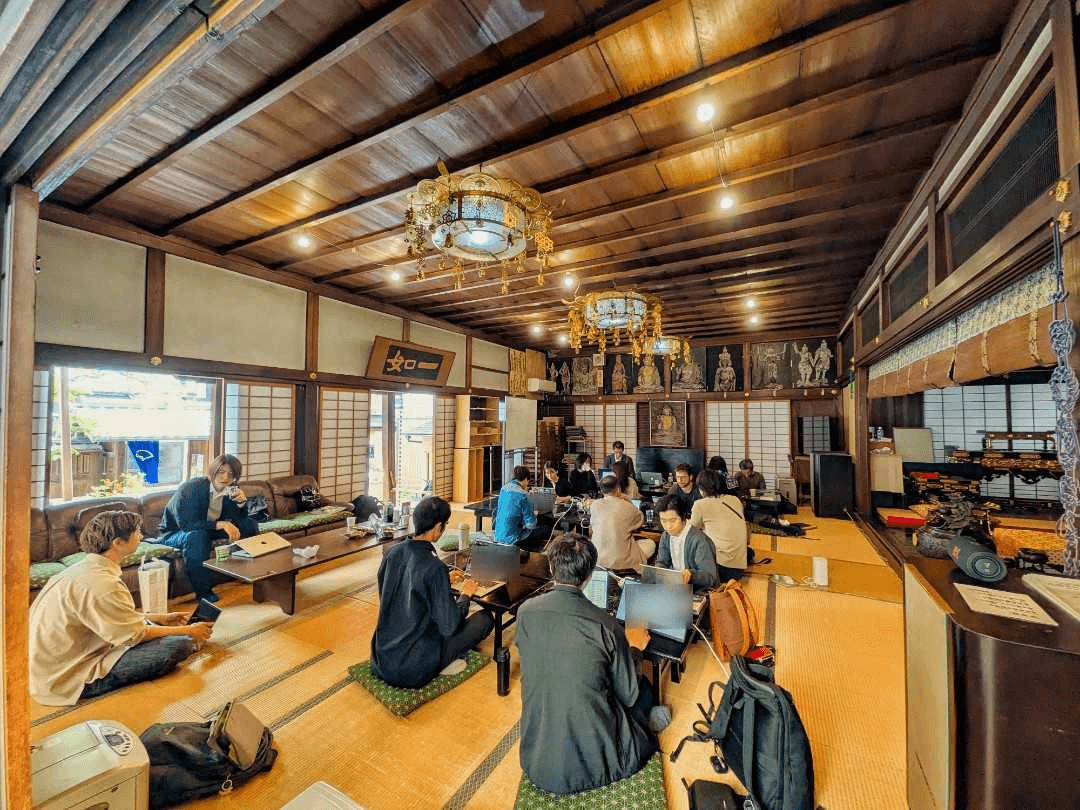
- A venue can become part of the event's identity.
Why formats improve continuity
Inventing every event from zero exhausts organizers. A repeatable structure lets participants predict the experience and lowers the cost of the next event.
Four common formats
| Format | Purpose | Preparation | Suitable stage |
|---|---|---|---|
| Mokumoku | Individual work and light exchange | Low | Launch |
| Reading group | Study a technical book deeply | Medium | Deeper learning |
| Lightning talks | Short sharing and speaking practice | Medium | Established relationships |
| Hands-on workshop | Guided implementation | High | An instructor is available |
Choosing a format
Start with a mokumoku session. When participants recognize one another, add lightning talks. Add a reading group when people want deeper shared study and a hands-on workshop when somebody can teach and support setup. See the hackathon operations guide for a later, more demanding format.
Turning it into a monthly series
Fix the day and repeat the structure. Even once a month, predictable continuation creates trust. See Regional IT Community Strategy and How to Start an IT Community.
The Miyako de IT example
Miyako de IT combined a core mokumoku series with lightning talks, hands-on workshops, networking, and hackathons. Growth to more than 647 members and 164 events came from repeating a manageable monthly format, not from making every event spectacular.
Related articles
How to Find and Choose IT Study Groups in Kyoto
A practical guide to finding IT study groups in Kyoto by starting from your goal: learn, make progress on your own work, give a short talk, or meet people. Current sessions live on the event listing, while community-by-community comparison lives on a separate Kyoto community guide.
Seven common community-operation failures and how to respond
Many study groups and mokumoku sessions disappear within a year. Miyako de IT distills seven recurring failures from 164 events over seven years.
Do Mokumoku Sessions Work? Three Effects and How to Sustain Them after 164 Events
Mokumoku sessions can improve focus, professional relationships, and learning rhythm at the same time. Drawing on 164 events and 647 members, this guide explains those mechanisms, why the format can feel pointless, and how to participate effectively.
Source data
The figures cited in this article are based on primary data in the Miyako de IT annual statistics report. It publishes yearly event counts, venue distribution, and event-format data.
Written by
Miyako de IT Editorial Team
Open event related to this article
 Waitlist
Oct 31 (Sat)
Original event title