
How to start an IT community outside major cities: six launch principles from Kyoto (7 years, 164 events)
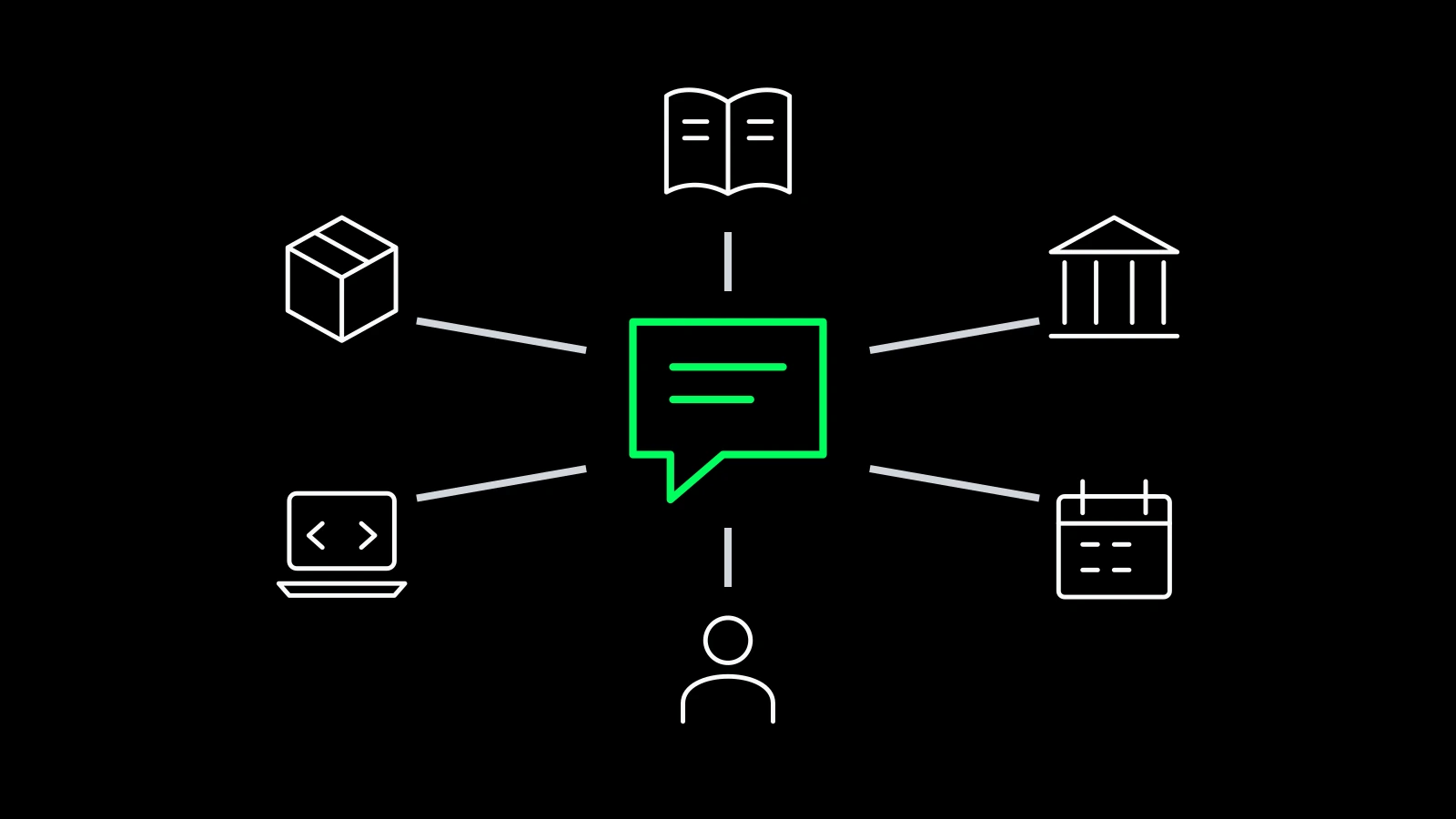
Miyako de IT has worked from Kyoto since 2019. It began with three participants and has since held 164 events and grown a connpass membership of more than 647 people. This article organizes how to start, sustain, and develop a regional IT-engineer community from 7 years and 164 events of operating experience.
Why regional IT-engineer communities matter
1. They create continuing ties with nearby peers
Meeting face to face, working in the same place, and talking afterwards creates ongoing relationships. What matters to regional engineers is having people they can continue to see.
2. They create career and work connections alongside technical ones
Local communities readily generate conversations about jobs, hiring, side work, contracting, entrepreneurship, and regional projects.
3. They connect technology with local issues
Tourism, education, disaster preparedness, town building, and cultural assets give regions distinctive themes. A community can become an entrance for connecting technology to those issues.
Six principles learned through operation
1. Do not make the theme too narrow
A single technology can leave too small a participant base in a region. Miyako de IT began with mokumoku sessions: broad in technical scope, low burden because no speaker is needed, and easy for first-time participants. Keep the entrance broad; branch later as relationships grow.
2. A place becomes a brand
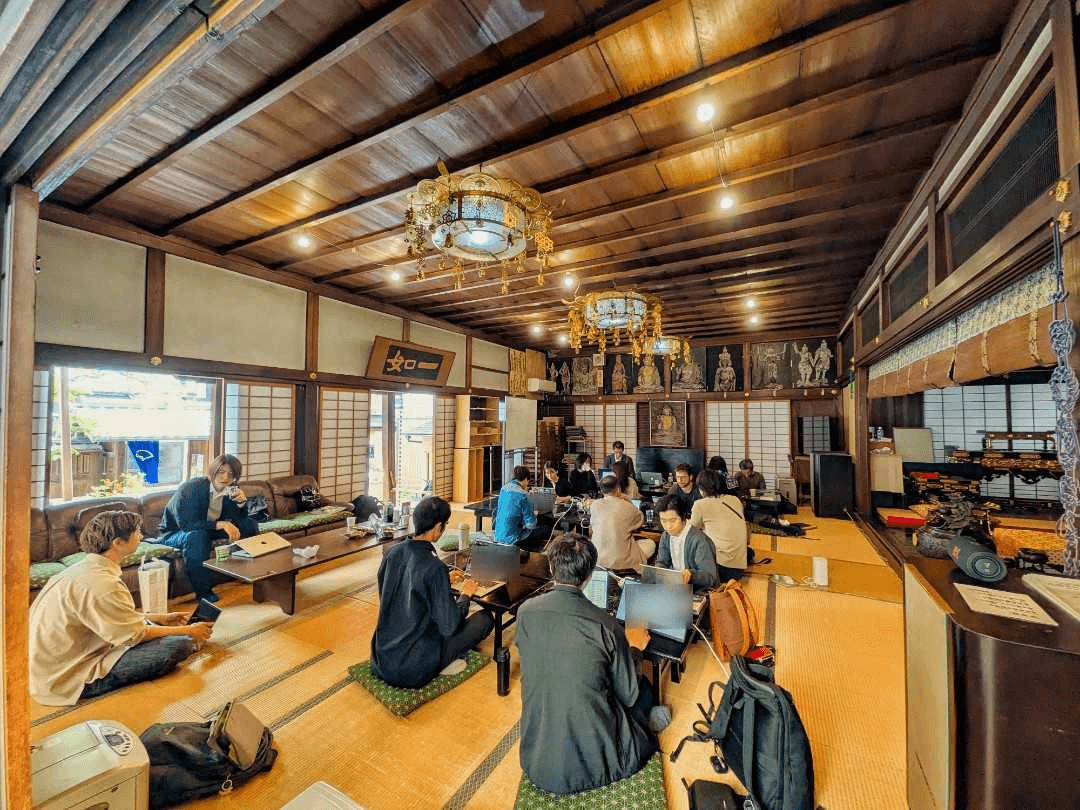
Miyako de IT has used Kyoto-specific spaces such as temples and machiya townhouses. A venue eases a first visitor's tension, makes the community memorable, and provides material for photos and communication. It may look like a cost, but it is an asset.
3. Attendance grows through repeated events
Attraction does not come from a one-off project but from trust in continuity. Use the place name on connpass, explain the experience so a first visitor is not anxious, and leave a public record after each event.
4. Grow collaborators, not merely attendees
Chasing numbers too early fails. Miyako de IT's first three events had three to five people; deep relationships in that small group later became its core. The first ten people are candidates to build the place with you.
5. Design operations that do not demand heroics
The largest reason community operation stops is a badly designed workload. Miyako de IT made one event per month its initial rhythm, then expanded to two to four events per month. Role sharing and reusable templates for venue, reception, and announcements make the operation sustainable.
6. Turn regional character into an advantage
Kyoto's temples and machiya, universities and research institutions, and local-company connections have informed Miyako de IT's collaborations, including Digital Nomad Kyoto and exchanges with overseas engineers.
Evolve the event formats
Participants get bored if only one format continues. The important point is to keep the entry point while broadening it. Miyako de IT has used mokumoku sessions as its base and gradually evolved into networking events, lightning-talk sessions, reading-reflection sharing, hackathons, and collaborative events.
For people who want to start now
- Start small.
- Continue every month.
- See participants as collaborators.
- Use the region's character.
- Grow the place as an asset.
Three initial participants are not a problem. Whether it continues is decided by how it is continued, not by the number of people.
Conclusion
Regional IT-engineer communities are not a collection of events. They are infrastructure through which people in a region learn, connect, challenge themselves, and collaborate. Over 7 years and 164 events in Kyoto, Miyako de IT has turned regional character into value, continuity into trust, and the place into an asset.
For design by study-group format, see How to design IT-engineer study-group formats. For applying the idea internally, see Five steps for companies to start an internal community.
Related articles
What an IT Study Group Is Worth in the Generative AI Era: From Being Taught to Bringing Back Results
Generative AI has lowered the cost of obtaining technical information, so where does the value of an IT study group sit now? Drawing on Miyako de IT's own sessions in Kyoto on Claude Code, AI agents, AI video generation, and quantum computing, this article examines the shift from a place to be taught toward a place to bring back what people actually tried.
"Talking with people outside the company is more fun": why manufacturing engineer Matsuura has attended Miyako de IT for two to three years
We asked Matsuura, an engineer who maintains and develops equipment control and Windows software in manufacturing, what first brought them to Miyako de IT, why they have kept coming for two to three years, what makes the community feel open to first-time participants, and what they would like to try next in terms of lightning talks and helping run events.
Mokumoku Meetup #59 at Butsugenji, Kyoto | About 10 Participants Across Generations
On July 25, 2026, Miyako de IT and Digital Nomad Kyoto held Mokumoku Meetup #59 at Butsugenji. About 10 people, from a middle school student to participants in their 50s, worked and talked together in the temple hall.
Source data
The figures cited in this article are based on primary data in the Miyako de IT annual statistics report. It publishes yearly event counts, venue distribution, and event-format data.
Written by
Miyako de IT
Open event related to this article
 Waitlist
Oct 31 (Sat)
Original event title