
Seven common community-operation failures and how to respond
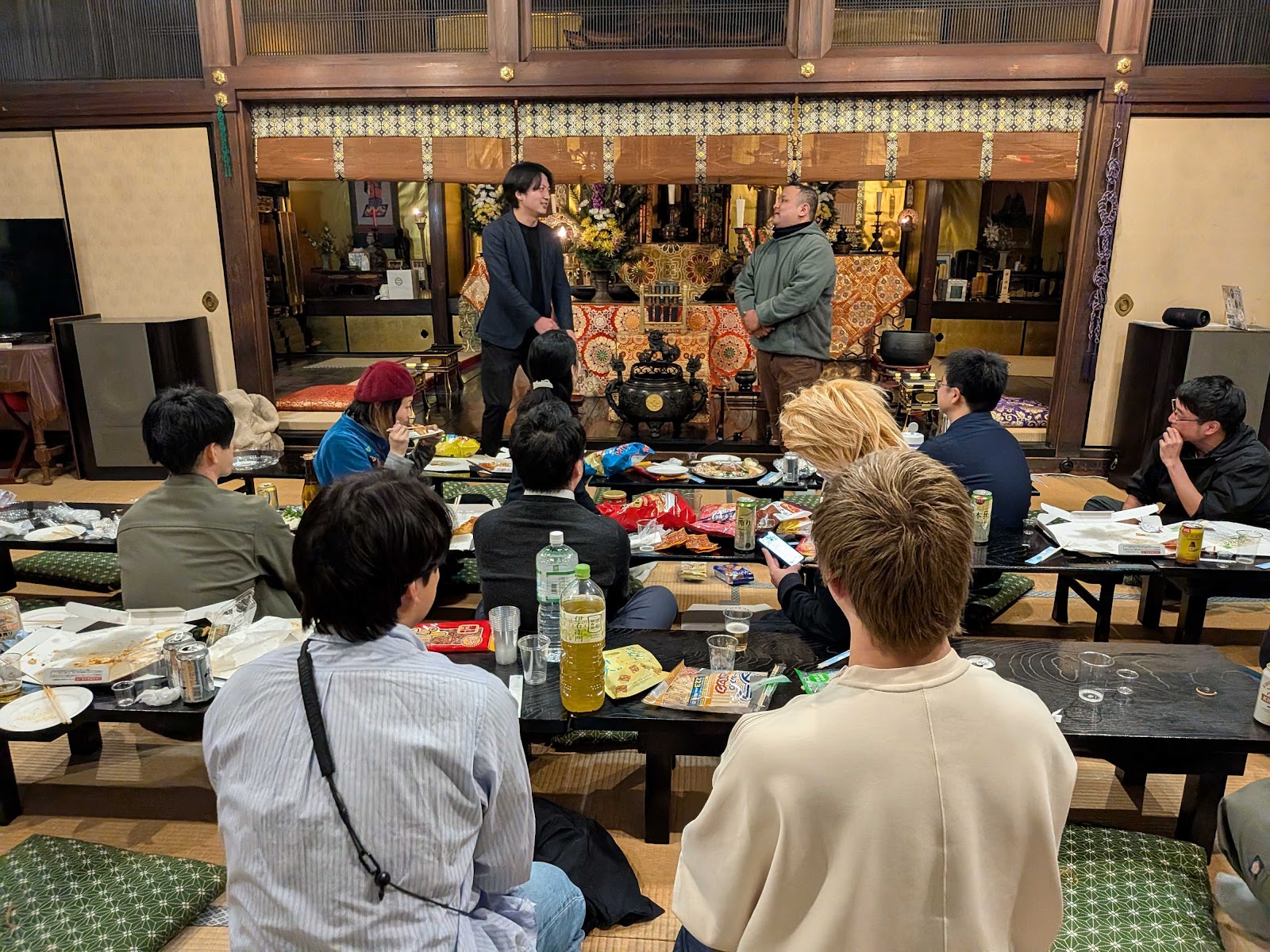
Miyako de IT has run 164 events over seven years and seen countless other communities along the way. Including stories shared between organizers, the recurring failure patterns are strikingly similar. This article sets out seven of them and practical responses for people starting out or stuck in operations.
Failure 1: Everything depends on one organizer
The most common failure is concentrating planning, publicity, venue booking, event-day work, cleanup, and social posting in one founder. Momentum can carry the first months, but a busy period, illness, or move stops the whole operation.
Response
- Start with at least two operators: involve friends, colleagues, or collaborators from the beginning.
- Invite regular participants into operations: ask people who have joined three or more times.
- Divide operating tasks: separate publicity, venue, and event-day roles.
- Make absence survivable: one person being away must not halt the community.
Miyako de IT began with two people and now shares work across eight operating members.
Failure 2: A strong launch with no sustainable second event
Launch publicity and preparation consume energy; without a plan for the pace after event one, the second event suffers, attendance falls, and motivation follows it down.
Response
- Design the ongoing workload from the outset: the first event can be simple.
- Keep preparation under two hours per event.
- Use a fixed monthly date, such as the third Saturday.
- Reuse venue and announcement templates instead of rebuilding them every time.
Miyako de IT moved from elaborate early events to regular, simple mokumoku sessions. That shift is a major reason it has continued for seven years.
Failure 3: An unclear audience
“All IT engineers welcome” sounds kind, but reaches no one precisely. Beginners, experienced engineers, frontend and backend developers, practitioners and researchers cannot all be satisfied by one event.
The result is more participants thinking, “I tried it, but it was not for me,” and no base of repeat participants develops.
Response
- Describe the intended participants: for example, “Kyoto-based working engineers” or “beginners welcome.”
- Put that audience in the title and description so expectations align before joining.
- Split events when serving several audiences, such as beginner and intermediate sessions.
Miyako de IT consistently presents itself as a Kyoto community for IT engineers that welcomes first-time participants.
Failure 4: Burning out when attendance is zero
Every organizer encounters periods with no registrations. Treating that normal early-stage condition as personal failure is what makes people stop.
Response
- Expect to continue through the first six months even with zero attendance.
- Hold the event even for one participant: two people working together still has value.
- Protect operator motivation: turn an empty day into an operating meeting.
- Use several channels: X, Discord, connpass, and personal introductions.
Miyako de IT's first events had three to five participants. It prioritized reliably opening every time, and recognition grew gradually.
Failure 5: Regulars make newcomers feel excluded
Success can produce a room where regulars enjoy one another and newcomers cannot enter. New people do not return; incoming participants stop, regulars age with the group, and the community shrinks.
Response
- Always include introductions.
- Have organizers speak to first-time participants first.
- Ask regulars explicitly to welcome newcomers.
- State “first-time participants welcome” in every announcement.
At Miyako de IT, everyone—regular or new—introduces themselves at the start, keeping relationships flatter.
Failure 6: Fixing the venue and time too rigidly
A fixed third Saturday at one venue supports continuity, but never changing it fixes the participant pool too.
Response
- Keep the main regular event but vary times in side events.
- Occasionally change venues.
- Mix in co-hosted events to reach other communities.
Miyako de IT rotates mokumoku sessions through temples, machiya townhouses, cafés, tea houses, and coworking spaces, and works with partners such as Digital Nomad Kyoto, XRPL JAPAN, and Kyoto Chie Sangyo Sozo no Mori.
Failure 7: Losing sight of the purpose
As operations continue, a moment comes when the original purpose disappears from view.
- Increasing attendance becomes an end in itself.
- Too much time goes into finding sponsors.
- The organizer strains to become “a famous organizer.”
- Commercialization is rushed and participants leave.
These may look positive at first glance, but when a community loses sight of what it exists for, it loses participant trust.
Response
- Write down the purpose and review it regularly, including at an annual operating meeting.
- Limit KGI/KPI: tracking everything leaves everything half done.
- Commercialize gradually: prioritize continuity before revenue.
Miyako de IT's purpose remains “a place where Kyoto IT engineers can gather casually.” Sponsorship and business opportunities are judged only within that boundary.
Shared principles for responding
1. Start at a scale you can continue
Starting small and continuing is more valuable than starting big and stopping. Three participants every month become twelve events in a year and thirty-six in three years.
2. Minimize the operating burden
Willpower is not a sustainable operating model. Reduce preparation, promotion, and event-day work early.
3. Grow participants into operators
Long-term continuity requires new organizers. Design a path through which participants naturally become the next operators.
4. Record failures
Failure is a gift to the next organizer. Miyako de IT shares each event's lessons in Discord and applies them next time.
Conclusion: Communities that continue are designed
Continuity is decided more by design than by passion. Passion is necessary but not sufficient. Notice the seven failures and build in responses: multiple operators, sustainable pacing, a stated audience, realistic expectations, newcomer paths, rotation and co-hosting, and regular purpose review.1. Dependence on one organizer → build a multi-person operating team
2. Spending all the energy on the launch → design the second and later events
3. An unclear audience → put the audience into words
4. Burning out at zero attendance → lower expectations
5. Regulars closing the circle → design a path for newcomers
6. Rigid venue and time → rotate and co-host
7. Losing sight of the purpose → review it regularly
If you are starting a Kyoto community or struggling to operate one, join a Miyako de IT event and talk directly with the organizers. We have an endless supply of failure stories.
Related articles
Designing an IT Study Group: Mokumoku, Reading, Lightning Talks, and Hands-on Formats
A guide for organizers choosing among four repeatable study-group formats and turning one into a monthly series, based on 7 years and more than 164 events in Kyoto.
What an IT Study Group Is Worth in the Generative AI Era: From Being Taught to Bringing Back Results
Generative AI has lowered the cost of obtaining technical information, so where does the value of an IT study group sit now? Drawing on Miyako de IT's own sessions in Kyoto on Claude Code, AI agents, AI video generation, and quantum computing, this article examines the shift from a place to be taught toward a place to bring back what people actually tried.
Search Traffic to a Community Site: Bing Was Contributing Too
Search traffic to a community site does not come only from Google. When Miyako de IT measured GA4 on July 24, 2026, Bing organic search produced 68 sessions in the prior 90 days—about one tenth of Google for the same period. This report records that observation, AI referrals, and why we publish the numbers without claiming causation.
Source data
The figures cited in this article are based on primary data in the Miyako de IT annual statistics report. It publishes yearly event counts, venue distribution, and event-format data.
Written by
Miyako de IT
Open event related to this article
 Waitlist
Oct 31 (Sat)
Original event title