
When a Venue Becomes a Brand: Why We Hold IT Events in Kyoto Temples and Townhouses
When a Venue Becomes a Brand
An event venue is not only a container. Repeated use can make the place part of the event's identity, reduce uncertainty for participants, and create a durable relationship with its owner.
This article develops E for Environment in the TEMPLE model, based on seven years of Miyako de IT operations.
Ten venues used by Miyako de IT
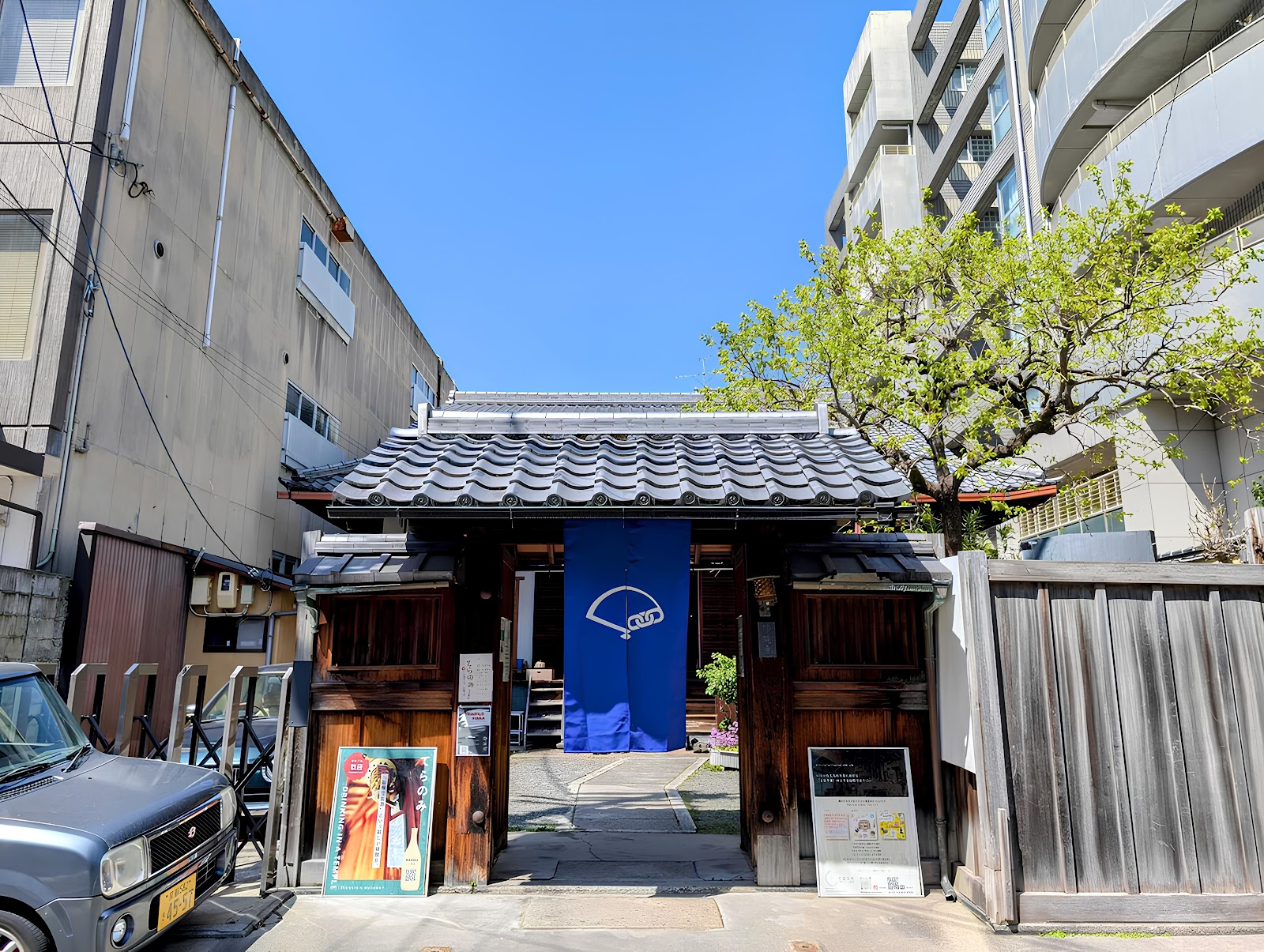
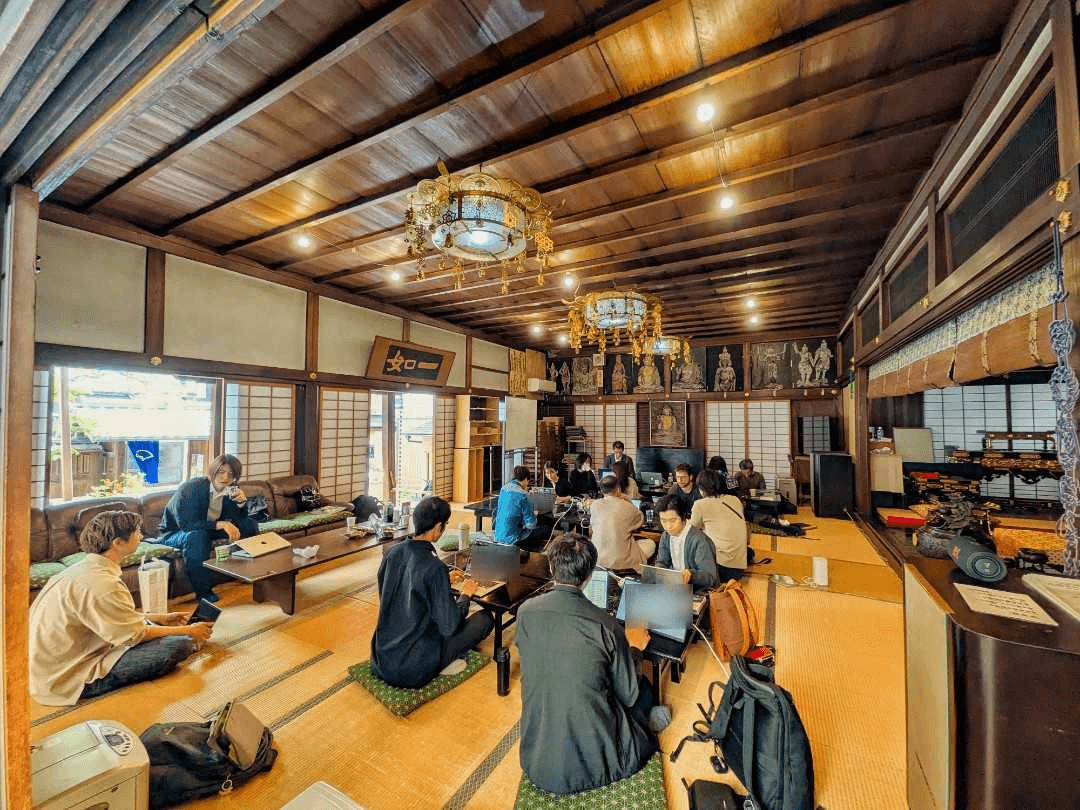
Events have used temples such as Butsugenji and Daikoji, traditional townhouses including Kokando, coworking spaces such as KOIN, university facilities, and other small local venues.
The range allows each format to use an appropriate setting without depending on one building.
Why we use venues differently
A presentation, a quiet mokumoku session, an international gathering, and a university collaboration have different requirements. Capacity alone does not determine fit.
Four conditions for choosing a venue
1. Reasonable access
Participants must be able to reach the venue without an excessive time or transport burden.
2. Affordable participation
Venue cost should not force a high fee that excludes the intended audience.
3. Sustainable for the organizer
Booking, communication, setup, and restoration must remain manageable over repeated events.
4. Viable with a small group
A regional meetup should still feel successful when attendance is modest. An oversized room makes a normal small event appear empty.
Three ways to turn a place into an asset
1. Return to the same venue
Repeated use creates familiarity for hosts, organizers, and participants.
2. Include the venue in the event title
A name such as “Butsugenji Mokumoku Meetup” communicates a distinctive experience and builds recognition over time.
3. Build a relationship with the owner
Understand the place's purpose, follow its rules, share outcomes, and make the event beneficial to the host as well as the organizer.
Common failure patterns
- choosing an impressive room that is too expensive to repeat;
- optimizing for maximum capacity rather than normal attendance;
- relying on a one-time discount or personal favor;
- treating the owner as a supplier instead of a partner;
- failing to explain access and venue rules clearly.
Conclusion
A strong venue strategy balances access, cost, organizer burden, and fit for small attendance. Consistent use and respectful relationships can then turn the place into a recognizable community asset.
Related articles
- Temple × IT Hub
- Regional Communities Win through Theme Design
- How to Start and Sustain an IT Community
Venue owners and community organizers who want to explore collaboration can use Netsujo Inc.'s contact form (Japanese).
Related articles
Regional Communities Win through Theme Design: Giving Local Context Meaning
A regional IT community's continuity depends on theme design. Drawing on seven years, 164 Kyoto events, and 647 members, this guide explains how to implement the Theme dimension of the TEMPLE model.
What an IT Study Group Is Worth in the Generative AI Era: From Being Taught to Bringing Back Results
Generative AI has lowered the cost of obtaining technical information, so where does the value of an IT study group sit now? Drawing on Miyako de IT's own sessions in Kyoto on Claude Code, AI agents, AI video generation, and quantum computing, this article examines the shift from a place to be taught toward a place to bring back what people actually tried.
How We Measure a Community Site with GA4: Miyako de IT’s Measurement Design
What should an IT-community site measure with GA4 to inform event operations? Miyako de IT publishes the implementation it uses: clicks to connpass, Discord-entry paths, article views, scroll depth, and completion—down to the component names. This is a practical example from a community with seven years and 164 events.
Source data
The figures cited in this article are based on primary data in the Miyako de IT annual statistics report. It publishes yearly event counts, venue distribution, and event-format data.
Written by
Tomohiro Iida
Open event related to this article
 Waitlist
Oct 31 (Sat)
Original event title