
Regional IT Engineer Career Strategy: Remote Work, Local Employment, or Independence
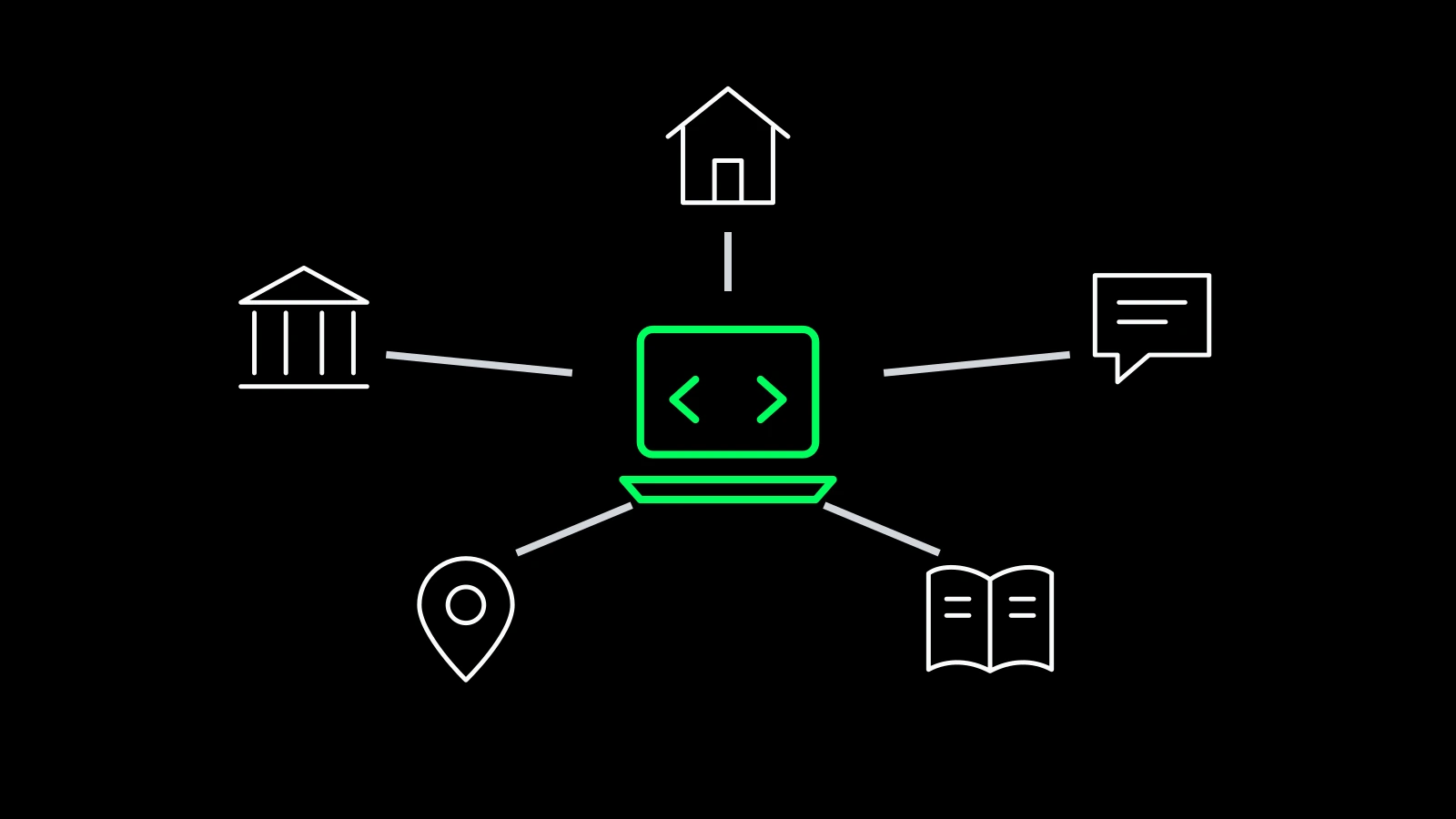
Regional IT Engineer Career Strategy
Living outside Tokyo no longer means choosing only from nearby employers. Full-remote roles, contract work, and stronger regional communities have widened the options. Differences in salary, information density, and the number of specialist positions have not disappeared, however.
The reality in 2026
Remote hiring has made access to national employers substantially better. Engineers can remain in Kyoto or another region while working for a company headquartered in Tokyo.
The difficult parts remain relationship building, access to informal career information, and the limited number of local roles in narrow specialties.
Five strategies
1. Use full-remote employment
Build a public portfolio, demonstrate a clear specialty, and seek referrals as well as open applications. Remote roles can provide a national salary range without requiring relocation.
2. Treat a local community as career infrastructure
A recurring community provides technical information, career conversations, project introductions, and motivation. It is particularly valuable when remote work reduces day-to-day contact.
3. Close the information gap deliberately
Follow specialist conferences and online groups, attend events outside the region when the return is clear, and share what you learn locally.
4. Turn the region into a strength
Local industries, universities, public institutions, and cultural assets can create projects that are difficult to reproduce in Tokyo. Regional context can become expertise rather than a constraint.
5. Use a two-base pattern
Kyoto and Tokyo are about two hours and fifteen minutes apart by Shinkansen. Some engineers visit Tokyo two to four times a month for meetings, interviews, and events, then work remotely from Kyoto.
Three viable career models
- Remote employee: stable employment with access to a wider market.
- Local employee: deeper connection to regional organizations and face-to-face work.
- Independent engineer: more control, with greater responsibility for pipeline and risk.
The right choice depends on career stage, specialty, household constraints, and tolerance for income volatility.
Conclusion
Regional careers work best when engineers combine national access with local relationships. Remote work solves distance; a community helps solve the information and isolation problems that distance leaves behind.
See also Remote Engineer Loneliness and Five Countermeasures and Regional Communities Win through Theme Design.
Related articles
In Kyoto, Making Something Together: The Connections We Hope to Nurture at Miyako de IT
What makes an IT community worth returning to? Miyako de IT founder Tomohiro Iida reflects on meeting people in Kyoto, following curiosity, and supporting small personal challenges.
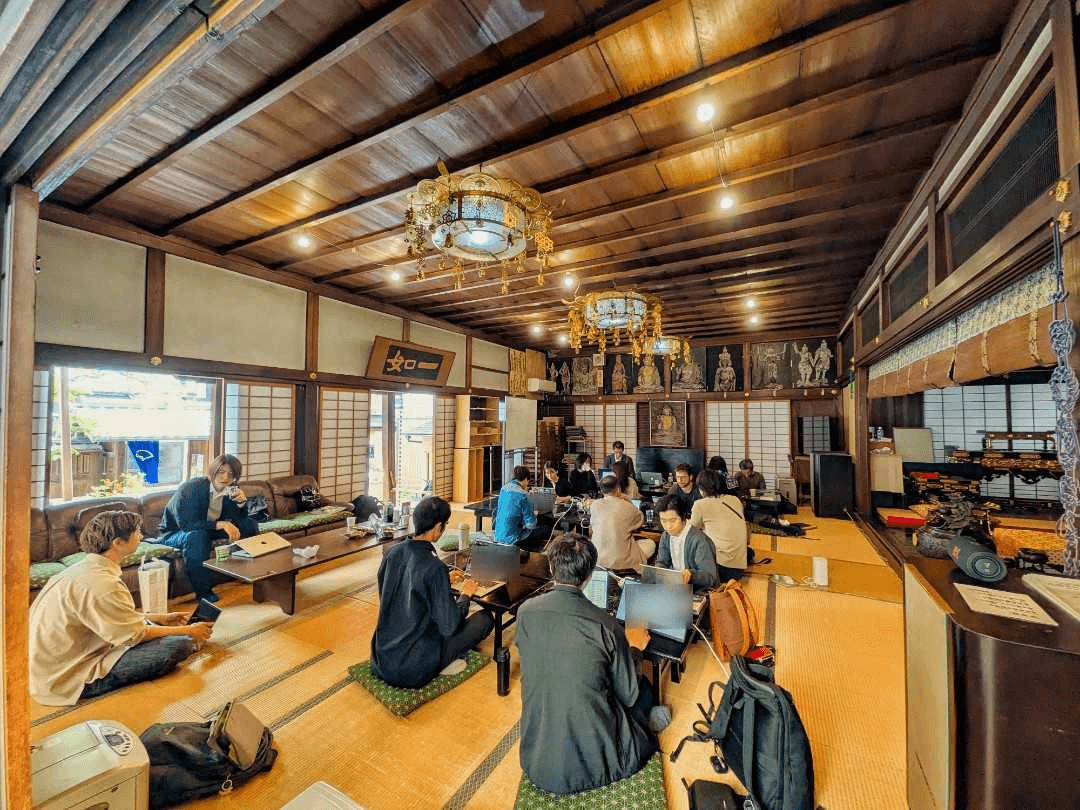
A Four-Line Help Note Inspired by a Kyoto Mokumoku Session
Using Miyako de IT's Daikoji session as context, a practical four-line help note for discussing blockers with someone new—without claiming unmeasured outcomes.
How to Make an AI-Agent Lightning Talk Verifiable: A Public PASS–FAIL–PASS Demo on One Slide
A reproducible AI lightning-talk demo example with public Agent Role Contracts inputs, an intended failure, historical CI, and explicit limits.
Source data
The figures cited in this article are based on primary data in the Miyako de IT annual statistics report. It publishes yearly event counts, venue distribution, and event-format data.
Written by
Tomohiro Iida
Open event related to this article
 Waitlist
Oct 31 (Sat)
Original event title