
Designing a community like Pokémon
A thought experiment about the structures that make people want to return.
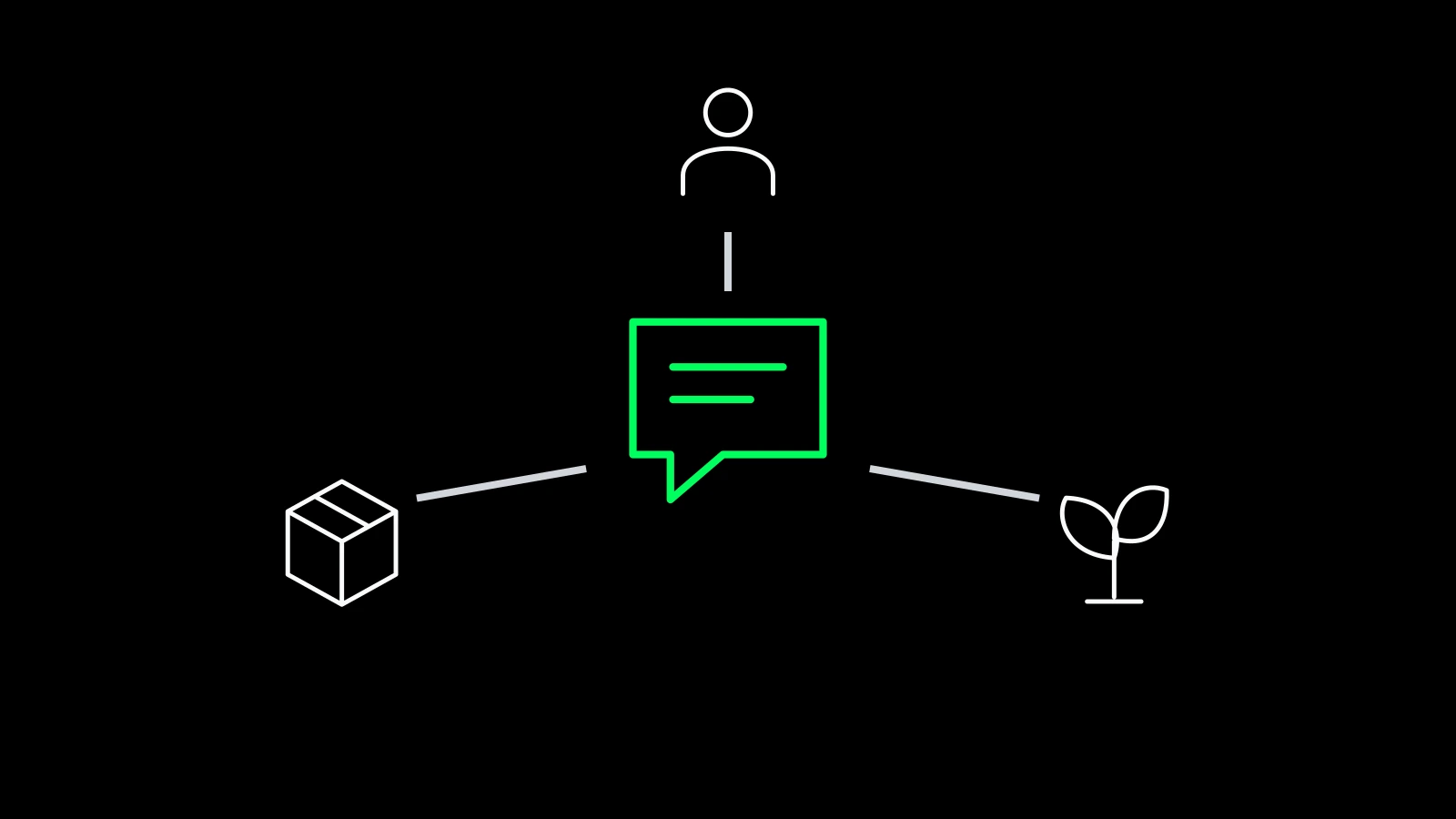
Thought experiment: What would make an IT community as inviting to return to as Pokémon? This is not a literal comparison. It is a way to examine why people collect experiences, exchange knowledge, and come back to a shared world.
How to grow a community people want to join
Miyako de IT can become stronger when people naturally gather, take something away, return, introduce someone else, and see value accumulate over time. This thought experiment asks what community design makes that possible.
People return when there is more to discover
Pokémon offers an expanding world with a repeated path of involvement:
- It is easy for anyone to enter.
- People can join quickly.
- There is something to collect.
- People can exchange it with others.
- There is room for challenge.
- Comparison and sharing happen.
- New elements keep arriving.
- It is easy to return after time away.
- Beginners can participate.
- Deep enthusiasts can keep finding more.
A community can offer a comparable sense of openness when each visit has room for a new person, a new tool, a new project, or a new question—without making novelty a requirement for belonging.
“Catching” as finding a personal connection
In the thought experiment, catching is not acquiring people. It is the moment a participant finds something to take away:
- New knowledge.
- A new connection.
- A new role.
- A record of achievement.
- Experience presenting.
- Something made.
- Trust.
- An entry point into Kyoto’s IT context.
A community should make those first connections visible and easy to approach.
“Trading” as exchanging value
Trading represents the exchange of value between participants:
- Knowledge.
- Connections.
- Feedback.
- Leads for work.
- Co-hosting partners.
- Ideas.
- Encounters between students and working adults.
- Encounters between organizations and individuals.
Exchanges work when each person can bring something small: a technical insight, an unfinished idea, a local recommendation, or a question that helps another person think.
“Battling” as safe challenge
Battling represents challenge rather than conflict:
- Lightning talks.
- Hackathons.
- Project presentations.
- Ideathons.
- Making challenges.
- Monthly-theme output.
Show-and-tell, a prototype review, or a hackathon can give people a reason to test themselves in public while keeping failure safe and learning visible.
A world people can re-enter
The goal is not gamification for its own sake. It is to design a place where returning makes sense because relationships accumulate, contribution is possible, and people can choose their own level of participation.
What makes Miyako de IT stronger
1. Keep the entrance broad
- Easy to join for the first time
- Welcoming to students
- Some room for non-engineers to participate
- A place for different technical levels
- A reason to come even before knowing anyone
2. Provide a path for deeper involvement
- Become a regular
- Give a talk
- Help operate an event
- Join a themed project
- Build something together
- Lead an external collaboration
3. Give people something that accumulates
- Participation record
- Speaking record
- Things made
- Contribution record
- Collaboration record
- A role in the community
- Trust in Kyoto’s IT ecosystem
4. Give people something worth passing on
- Invite someone
- Attend together
- Share what was learned
- Co-host an event
- Let someone else experience the place
5. Keep adding a little newness
- New themes
- New co-hosts
- New venues
- New series
- New opportunities to try something
- A larger annual project
Miyako de IT as a participatory IP
- Participation history
- Relationships
- Achievements
- Things made
- Co-creation experiences
- Trust
- The name
- A connection with Kyoto
- A history of continuous events
- Trusted operation
- A participant network
- A culture of output
- A culture of implementation
- Collaboration experience
- A symbolic role in Kyoto’s IT ecosystem
- Participants’ memories
How the idea could develop
Phase 1: Put the core experience into words
- Learn, connect, and make things in Kyoto
- A place where Kyoto IT people turn learning and exchange into implementation
Phase 2: Decide the repeated actions
- Come
- Learn
- Talk
- Make
- Present
- Connect
- Come again
Phase 3: Make accumulation visible
- Number of visits
- Number of talks
- Number of things made
- Collaboration history
- Contribution badges
- A role in the community
Phase 4: Increase connections outside the community
- Companies
- Universities
- Local government
- Other communities
- Startups
- International talent
Phase 5: Create symbols
- An annual conference
- A flagship event
- Commemorative badges
- Proof of participation
- Original program series
- A symbolic visual identity
Miyako de IT as Netsujo’s home base
- Projects
- Co-creation
- Proofs of concept
- Research implementation
The idea in one sentence
Miyako de IT can be a place where people collect learning, exchange relationships, and take challenges through output.
Three questions for any community
1. What does a participant take home?
Learning, relationships, a role, a record, or a next step should be tangible.
2. What can participants exchange with one another?
Knowledge, introductions, feedback, work opportunities, and ideas should circulate rather than remain with organizers.
3. What creates challenge and visibility?
Lightning talks, hackathons, presentations, and making can turn a passive gathering into a memorable experience.
Closing
This remains a thought experiment, not a claim that a community should copy Pokémon. It is a design prompt: make entry easy, let value accumulate, and make returning meaningful.
Keep testing the design with participants
The useful question is not whether the metaphor is perfect, but whether people can enter, contribute, and return with more confidence.
- Make the first welcome understandable.
- Make a first small contribution possible.
- Make a return visit feel familiar.
- Make different skill levels visible without ranking people.
- Make questions safe to ask.
- Make unfinished work welcome.
- Make learning visible.
- Make introductions easy.
- Make feedback useful.
- Make roles grow with interest.
- Make organizers approachable.
- Make recurring formats reliable.
- Make new formats discoverable.
- Make venue choices meaningful.
- Make co-hosting possible.
- Make a project’s next step visible.
- Make a talk an achievable challenge.
- Make a prototype worth showing.
- Make a record of contribution respectful.
- Make a participant’s history portable.
- Make student and professional contact possible.
- Make company and individual contact possible.
- Make university connections practical.
- Make local-government connections concrete.
- Make international connections welcoming.
- Make trust grow through repeated action.
- Make event memories shareable.
- Make invitations feel natural.
- Make community value circulate.
- Make implementation a shared habit.
- Make annual moments memorable.
- Make the purpose clearer than the metaphor.
Related articles
Search Traffic to a Community Site: Bing Was Contributing Too
Search traffic to a community site does not come only from Google. When Miyako de IT measured GA4 on July 24, 2026, Bing organic search produced 68 sessions in the prior 90 days—about one tenth of Google for the same period. This report records that observation, AI referrals, and why we publish the numbers without claiming causation.
How We Measure a Community Site with GA4: Miyako de IT’s Measurement Design
What should an IT-community site measure with GA4 to inform event operations? Miyako de IT publishes the implementation it uses: clicks to connpass, Discord-entry paths, article views, scroll depth, and completion—down to the component names. This is a practical example from a community with seven years and 164 events.
Miyako de IT Sponsor Award for YARIGAI at Impact Kyoto Hackathon 2026
Miyako de IT joined Impact Kyoto Hackathon 2026 as a sponsor and presented its Sponsor Award to team YARIGAI. In support of the project’s focus on preserving purpose and human value in the generative-AI era, the team received invitations to attend Miyako de IT events free of charge for one year.
Source data
The figures cited in this article are based on primary data in the Miyako de IT annual statistics report. It publishes yearly event counts, venue distribution, and event-format data.
Written by
Tomohiro Iida
Open event related to this article
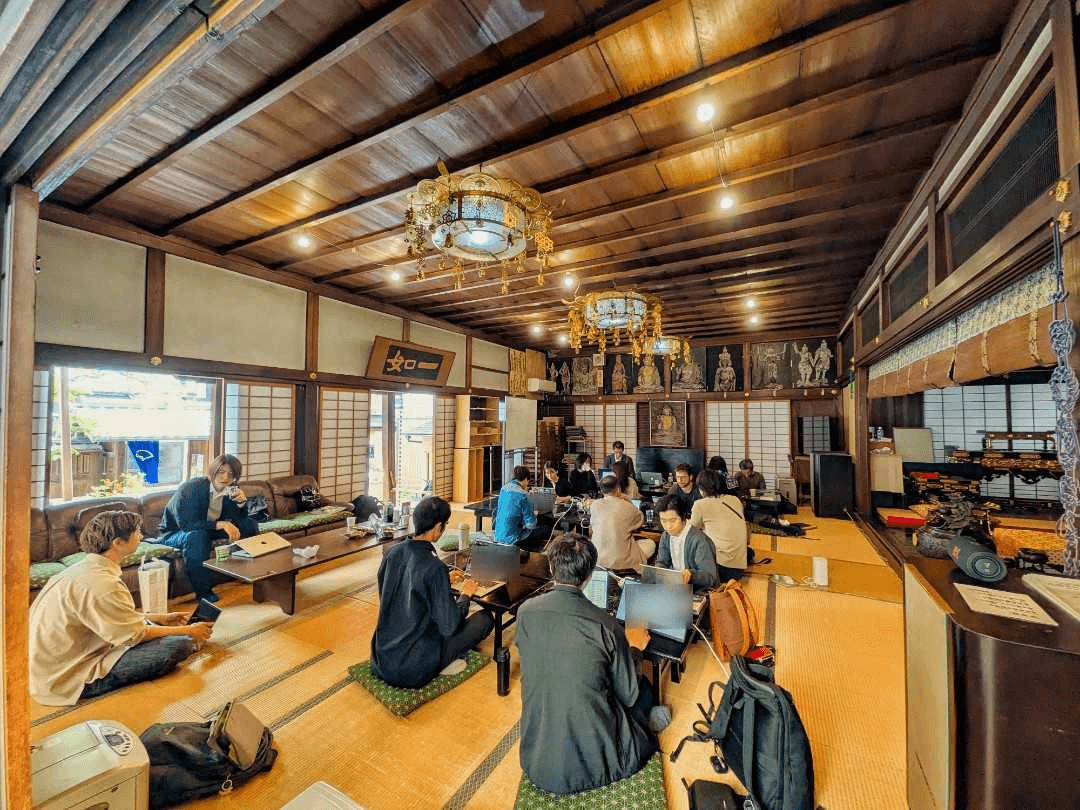 Waitlist
Oct 31 (Sat)
Original event title