
Claude Code and OpenClaw hands-on session
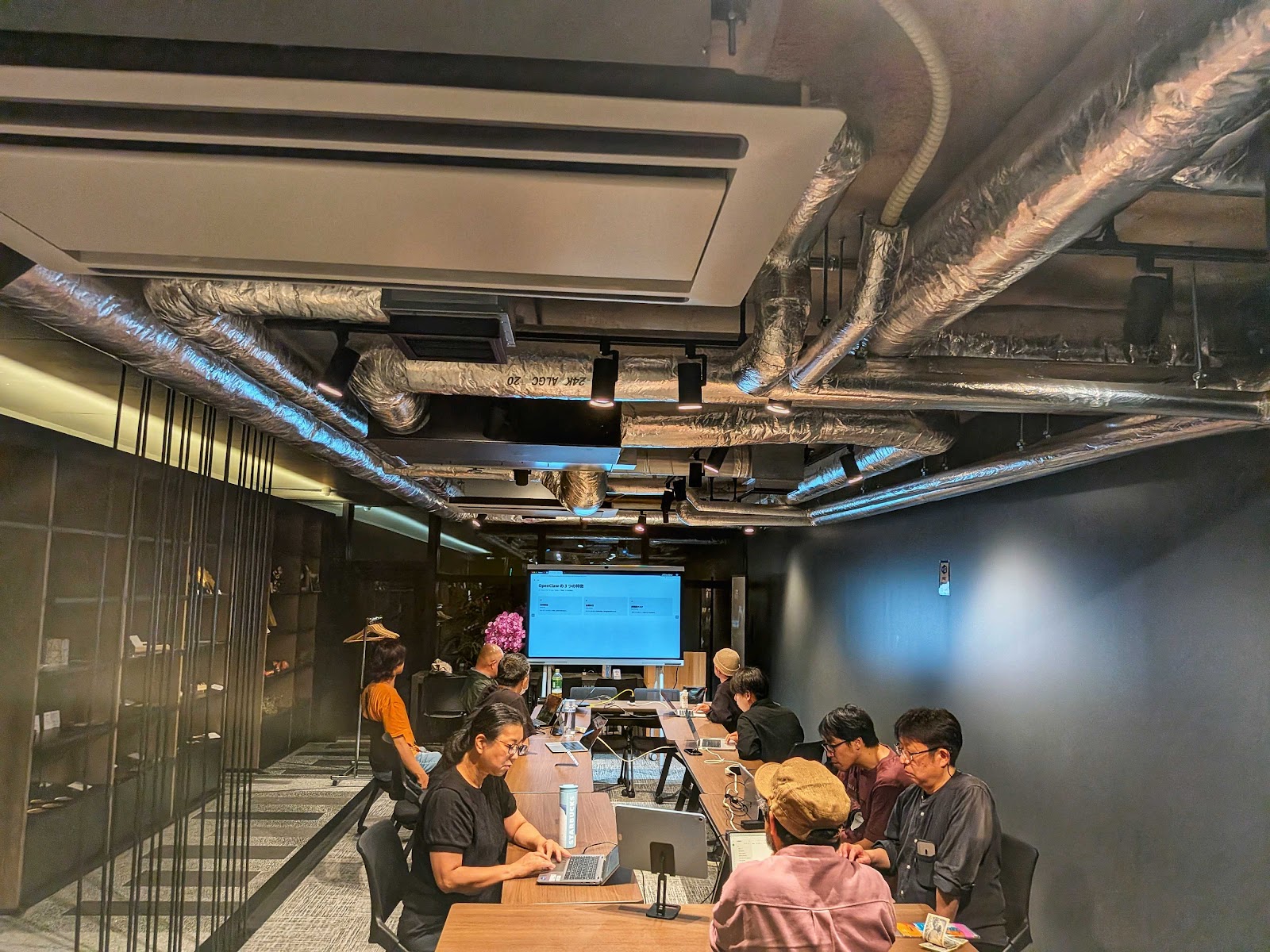
Twelve participants set up both tools and compared their practical trade-offs.
Key points
- On April 20, 2026, Miyako de IT held a Claude Code / OpenClaw Hands-on Study Session at Taisho University Kyoto Academia.
- Twelve participants set up and compared both tools.
- Claude Code is an official CLI-based tool; OpenClaw is an open-source interactive code-generation environment.
- Trying both made setup effort, customization, and work-use trade-offs visible.
- The session clarified Miyako de IT’s role as a Kyoto community for practical AI coding.
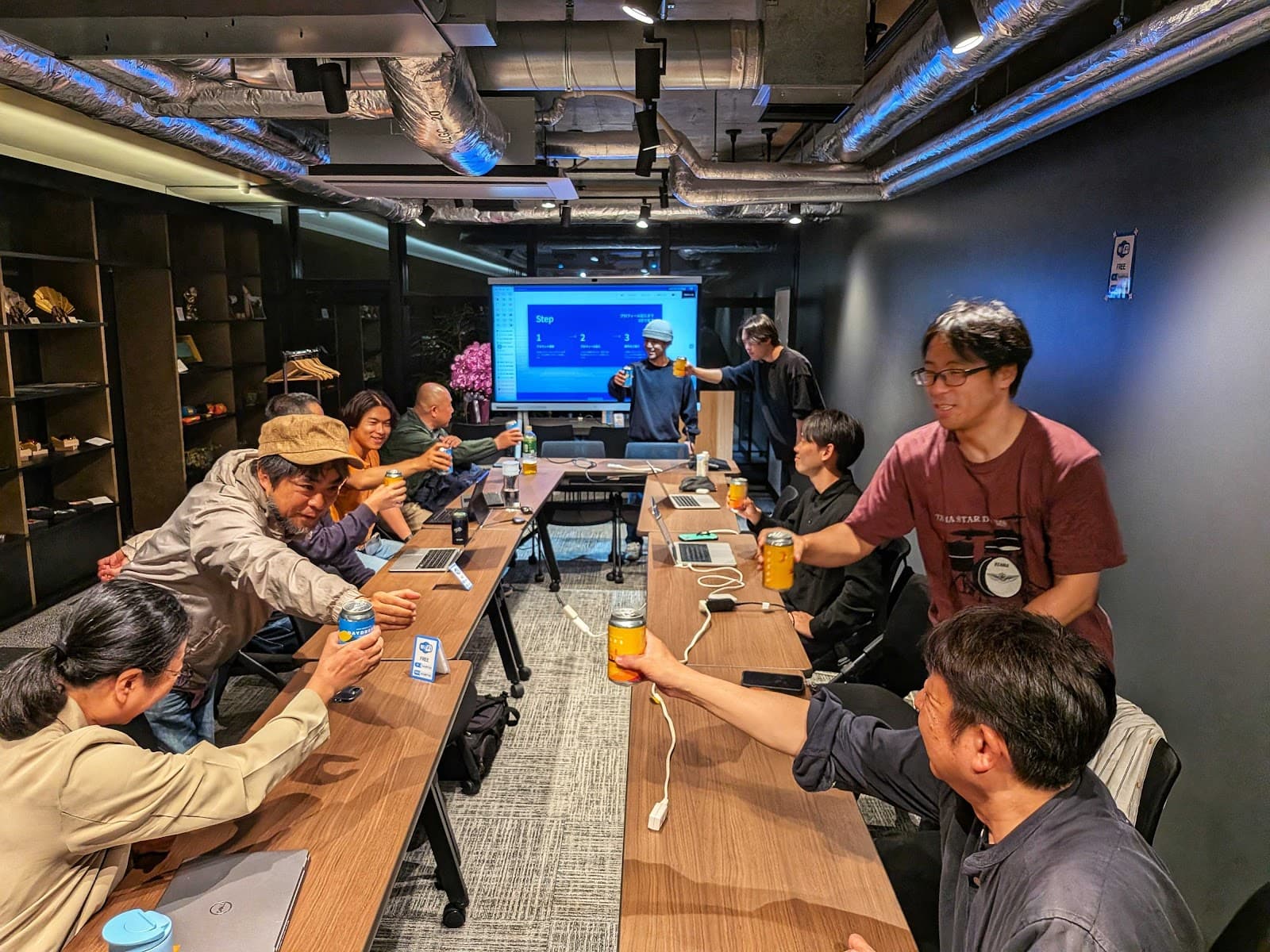
On April 20, 2026, Kyoto IT co-creation platform Miyako de IT held the Claude Code / OpenClaw Hands-on Study Session at Taisho University Kyoto Academia in Higashiyama-ku, Kyoto.
The session compared Anthropic’s AI coding tool Claude Code and the open-source OpenClaw by setting them up and using them directly. The emphasis was not a desk-based comparison, but hands-on experience.
Twelve people attended. Engineers interested in AI coding tools worked on their own computers to check setup, feel, suitable use cases, and points where people tend to get stuck.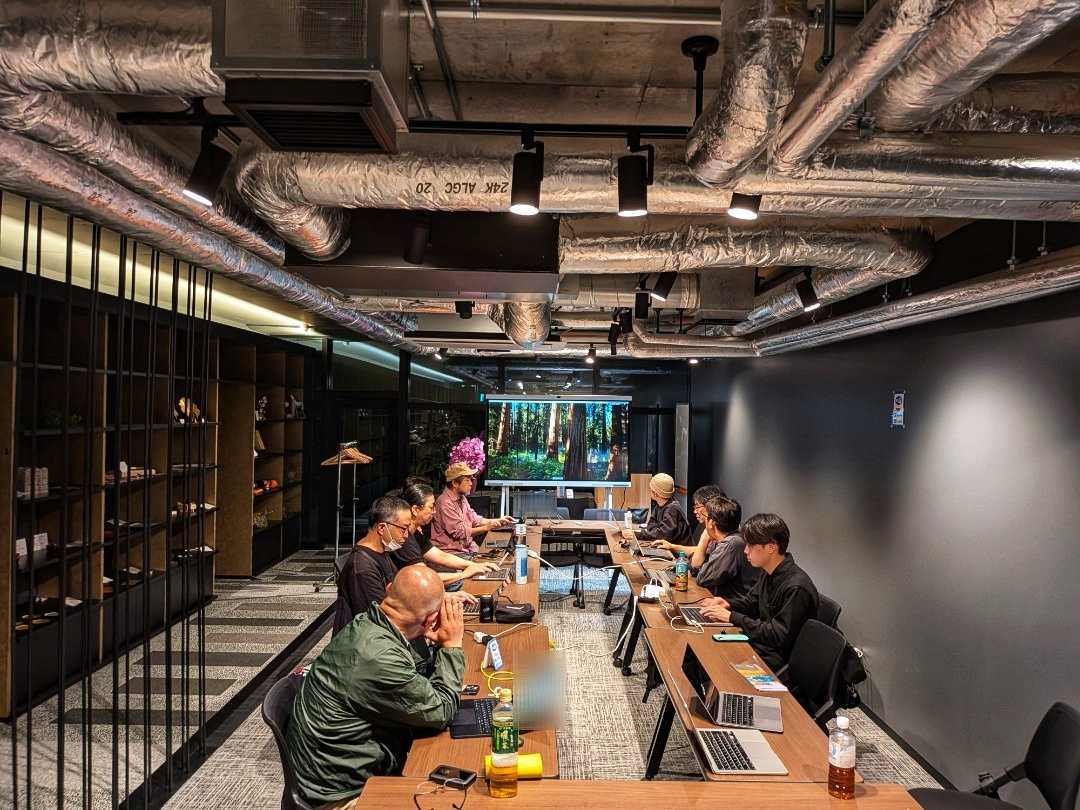
A hands-on session for comparing Claude Code and OpenClaw
The event was designed not simply to explain differences, but to set up, touch, and understand both tools while using them. The connpass description also framed it as a hands-on session for comparing Claude Code and OpenClaw. Its objectives were:
- Understand the difference between Claude Code and OpenClaw through direct experience.
- Complete the initial setup of at least one of the tools.
- Make concrete how it could fit an individual work or development flow.
- Share use cases and sticking points with other participants.
This design worked because knowing an AI tool alone changes nothing. Once people run it, its suitable uses, unexpectedly easy tasks, and friction points become visible.
Claude Code and OpenClaw: the comparison axes visible in the session
| Comparison | Claude Code | OpenClaw |
|---|---|---|
| Provider | Official Anthropic tool | Open-source project |
| Main interface | Terminal (CLI) | Terminal (CLI), expandable by environment |
| Backend model | Claude (Anthropic) | Replaceable; supports multiple models |
| Setup | Start through account connection | Freedom in environment selection and configuration |
| Customization | Use within the official specification | Extend it yourself because it is OSS |
| Cost structure | Anthropic API charges | Varies with the selected model |
| Suited to | People who want current models with a stable UX | People who want to choose environments/models or prefer OSS culture |
These axes are not a ranking. They help answer which tool fits a particular use. Participants reported that Claude Code felt quicker to set up, while OpenClaw becomes an option when changing models or environments matters.
What participants learned by trying the tools
The value of the session was that participants did not all follow the same operation. Some focused on Claude Code; others investigated how to introduce and use OpenClaw. Some aimed first to finish setup, while others tried tasks close to their work or compared other AI-development tools.
As the session progressed, people naturally shared what they did and what they discovered.
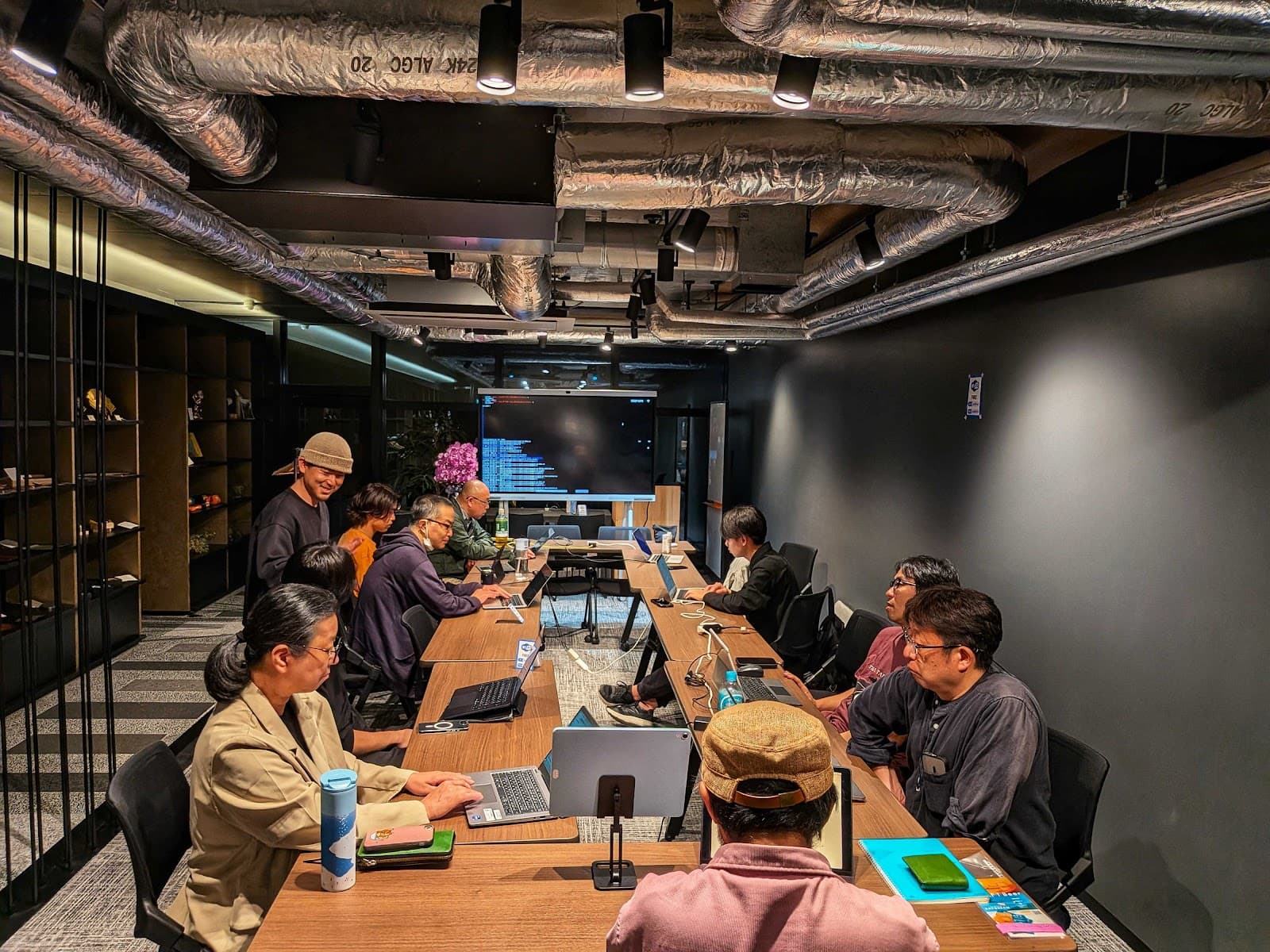
Official documentation alone cannot reveal the full value of AI coding tools. Multiple hands-on perspectives made it possible to share:
- How smoothly setup proceeded.
- Where people got stuck.
- Which uses appeared suitable.
- What assumptions make each tool powerful.
This turned individual learning into knowledge for the room.
Why a hands-on format deepens understanding
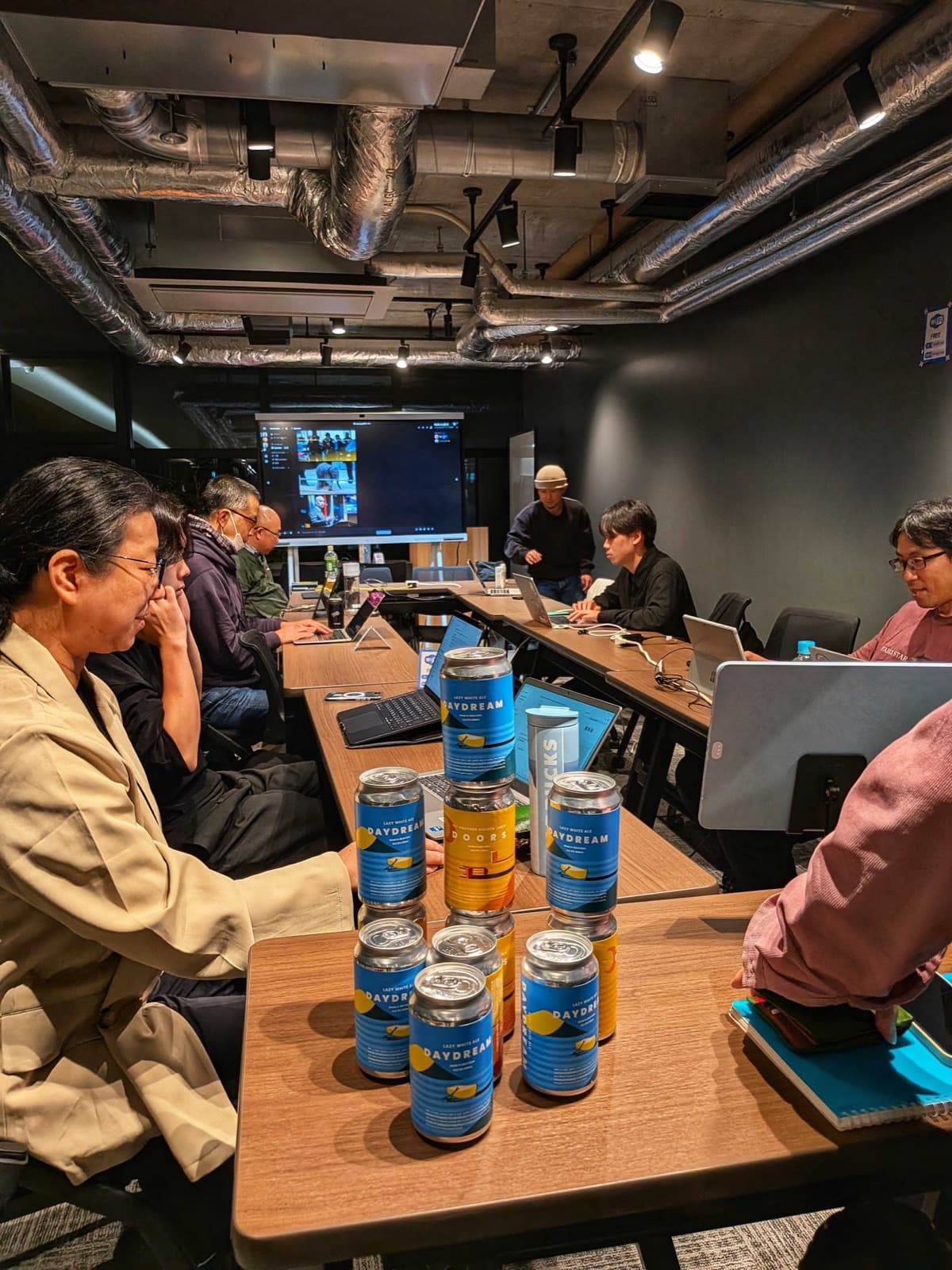
The event followed an opening, introductions, first hands-on block, second hands-on block, and closing. Participants ended by sharing impressions and how they might use the tools the next day.
AI coding tools are not magic tools that do everything as soon as they are touched. People need to consider how to start them in their environment, which tasks to try first, and where they fit in practical work. The session helped many participants take that first step concretely.
Choosing between the two: practical perspectives
The session suggested these starting points:
- Prioritize official support and current models → start with Claude Code.
- Choose models and runtime environments freely, or learn through OSS culture → start with OpenClaw.
- Not ready to choose → touch both, as in this session, before deciding.
- Introducing a tool to a team → compare cost, security, and operating rules too.
This is a question of what fits today. Both tools change quickly; the best division of use may change in six months. That is why a place to try them again periodically—a study session—is valuable.
A practical place to learn AI development tools in Kyoto
Miyako de IT is a Kyoto-based platform for co-creating with IT. It is operated not only as a place to receive knowledge but as a place to try, share, and advance learning (operated by Netsujo Inc.; see About and Founder). The session made that strength clear.
For people working with IT and AI in Kyoto, practical places like this remain valuable. Tools such as Claude Code and OpenClaw change quickly and have broad uses; trying them with people who share a purpose is often faster than trying alone. The 12 approaches brought to this room made it a dense learning session. Our archive lists prior events chronologically.
FAQ
What is the difference between Claude Code and OpenClaw?
Claude Code is Anthropic’s official terminal (CLI)-driven AI coding tool and uses Claude models as its backend. OpenClaw is an open-source project that can connect a similar interactive code-generation experience to chosen models and environments. Participants found Claude Code easier to set up, while OpenClaw offered more flexibility in customization and cost structure.
Which should I learn first?
If you want a first AI-coding experience or value official support, start with Claude Code. If you want to choose models and environments or prefer OSS culture and modification, start with OpenClaw. Trying both before choosing is also valid.
Are there other Kyoto study sessions for AI coding tools?
Miyako de IT holds practical AI, Web3, and web-development study sessions and mokumoku sessions one or two times per month. Current events are announced on connpass.
Can beginners join?
Yes. The 12 participants included first-time users, people considering workplace adoption, and people comparing AI development tools. The hands-on format makes it possible to share sticking points in the room. See First-time as well.
When is the next event?
Future study sessions and mokumoku sessions are published on Miyako de IT’s connpass page. Follow-up sessions on Claude Code, OpenClaw, and other AI-development tools are being planned.
Conclusion: a dense session for comparing tools in practice
The 12 participants used, compared, got stuck with, and shared discoveries about AI coding tools. This is how a person can see how a tool might fit their own work and development. Miyako de IT will continue to create practical opportunities to learn IT, AI, and development in Kyoto.
---
Related links
- Miyako de IT official site: https://www.miyakodeit.com/
- Miyako de IT connpass page: https://mit.connpass.com/
- Netsujo Inc.: https://netsujo.jp/
- Related articles: Dividing the Work Between a CMS and Generative AI / Miyako Mokumoku Session #56 with Digital Nomad Kyoto
- Founder profile: Tomohiro Iida / Netsujo Inc.
Related articles
AI Agent Lightning Talks at the Former Kyoto Prefectural Assembly Hall
On May 30, 2026, Miyako de IT held its AI Agent Practice Lightning Talks at the Former Kyoto Prefectural Assembly Hall. Around 30 participants, including Kyoto Prefectural Government staff, shared practical examples using Claude Code, OpenClaw, Codex, Cursor, ChatGPT, GitHub Copilot, local LLMs, multi-agent workflows, and AI design tools.
Mokumoku Meetup #63 at Takahashi | Laptops in a Century-Old Former Ochaya
Miyako Mokumoku Meetup #63 is scheduled for September 20, 2026, from 10:30 a.m. to 1:30 p.m. at Soba Teuchi Takahashi in Kyoto. The venue is a two-story machiya believed to have been built about a century ago and formerly used as an ochaya. This report also looks at the building's history and the room being used for the meetup.
First Principles Bar #1: Twelve People Rethink Trust over Craft Beer in Kyoto
On September 18, 2026, twelve people including the organizers gathered at Natsuya in Kyoto for First Principles Bar #1. Over craft beer and food, we discussed how to define trust and credibility, why and how we trust, the value of offline community, and first-principles thinking.
Source data
The figures cited in this article are based on primary data in the Miyako de IT annual statistics report. It publishes yearly event counts, venue distribution, and event-format data.
Written by
Miyako de IT
Open event related to this article
 Waitlist
Oct 31 (Sat)
Original event title