
How Search Clicks Grew About 11× in Six Months after We Turned a Member Site into a Publishing Site
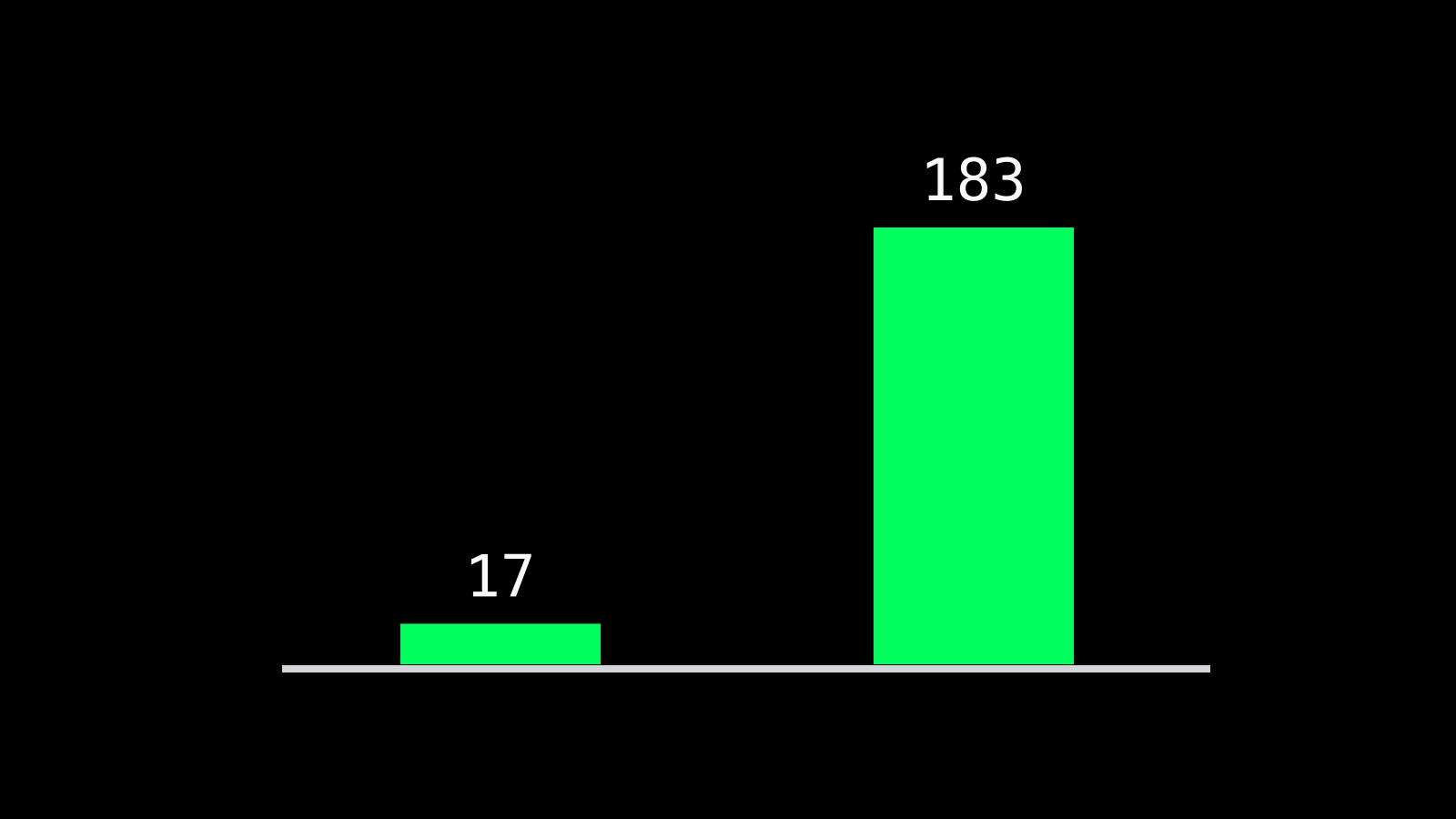
The headline result is that monthly search clicks rose from 17 in January 2026 to 183 in June—about 11 times. Impressions grew about 35 times compared with December 2025, when measurement began. This is one site over six months, not a result that everybody should expect to reproduce.
Google Search Console data exists only from December 2025. We cannot reconstruct search performance from the earlier member-site period, so we cannot claim a multiple relative to that period. Every figure below begins with the available measurement window.
How search changed over six months
| Month | Clicks | Impressions | Average position |
|---|---|---|---|
| December 2025 | 23 | 208 | 10.6 |
| January 2026 | 17 | 382 | 9.9 |
| February 2026 | 19 | 419 | 9.6 |
| March 2026 | 35 | 644 | 8.3 |
| April 2026 | 70 | 1,879 | 6.4 |
| May 2026 | 144 | 4,218 | 8.4 |
| June 2026 | 183 | 7,336 | 8.3 |
Clicks grew from 17 in January to 183 in June. Impressions grew from 208 in December to 7,336 in June.
Click-through rate fell from 11.06% in December to 2.49% in June. In isolation that looks negative, but it also accompanied a 35-fold expansion in impressions. Broader exposure includes many searches where a result appears without receiving a click. Rates can look unusually high with a small denominator and settle as it grows. The lesson was not to judge the entire result by the rate change alone.
From a member site to an accumulating body of articles
miyakodeit.com originally focused on existing members and prospective participants. Event announcements and participation instructions fulfilled that role, but primarily attracted people who already knew Miyako de IT.
We changed the strategy to publish one article at a time about questions that Kyoto IT engineers might search for: what a mokumoku session means, which IT companies are in Kyoto, and how to begin a study group. The objective was to create more entrances for people who had never heard the community name.
Miyako de IT began in February 2019 and has used Butsugenji in the Rokkaku Aburanokoji area as a continuing venue since 2024. By this measurement period the community had already accumulated several years of monthly sessions, and that accumulated experience became the source material.
How many articles we added and which ones grew
New publishing remained at one to three articles per month through February 2026, then accelerated to nine in March, 24 in April, 13 in May, and seven in June. The site contained 73 articles at the end of the period.
Two articles drove a disproportionate share of search. The Kyoto IT company article received 111 cumulative clicks, and the mokumoku participation article received 62. Together they accounted for about 70% of blog-originated clicks. The event-list page followed with 40 clicks and the IT community selection article with 20.
Most articles did not grow equally; many received almost no search activity. We could not reliably predict the winners in advance. The practical approach became to publish across a reasonable range, then deepen topics that showed demand.
The delay between publishing and search visibility
The largest publishing months were March and April, but clicks became clearly larger in May and June. Impressions likewise moved from 1,879 in April to 4,218 and 7,336 in the following months.
Search engines need time to discover, evaluate, and settle the position of a new page. Expecting an article written this month to produce an immediate increase is unrealistic. Continuing through an apparent one- or two-month delay appeared useful in this case. This is still an observation from one site, not a controlled measurement that isolates every factor.
New visitors arrived without branded search
Leading queries included terms equivalent to “mokumoku session,” “Kyoto IT companies,” “are mokumoku sessions pointless,” and “what is a mokumoku session”—words that did not contain the community name. Searches directly for Miyako de IT represented one query among the leaders, with 19 clicks. About 80% of leading-query clicks came from people who had not searched for the name.
That distinction matters operationally. A branded search generally comes from somebody who already knows the organization. Growth requires an additional path: somebody searches in the language of their own problem, discovers an article, and only then learns about the community.
What we will continue
The record does not justify the simple causal claim that “publishing more articles caused an 11-fold increase.” Search grew after publishing increased, but with a delay; only a few articles drove most of the result; and CTR fell. Accumulating articles was plausibly one contributing factor, and the data supports no stronger conclusion.
We will continue to publish across a range because winners cannot be predicted perfectly, wait one or two months for a response, and deepen subjects that demonstrate demand.
Articles remain an entrance rather than the final purpose. Miyako de IT will continue opening physical places for people working in technology in Kyoto. Events are announced on connpass, and online conversation is available through Discord.
Organizations interested in supporting community operations can also read the sponsorship information.
Related articles
Search Traffic to a Community Site: Bing Was Contributing Too
Search traffic to a community site does not come only from Google. When Miyako de IT measured GA4 on July 24, 2026, Bing organic search produced 68 sessions in the prior 90 days—about one tenth of Google for the same period. This report records that observation, AI referrals, and why we publish the numbers without claiming causation.
How We Measure a Community Site with GA4: Miyako de IT’s Measurement Design
What should an IT-community site measure with GA4 to inform event operations? Miyako de IT publishes the implementation it uses: clicks to connpass, Discord-entry paths, article views, scroll depth, and completion—down to the component names. This is a practical example from a community with seven years and 164 events.
Miyako de IT Sponsor Award for YARIGAI at Impact Kyoto Hackathon 2026
Miyako de IT joined Impact Kyoto Hackathon 2026 as a sponsor and presented its Sponsor Award to team YARIGAI. In support of the project’s focus on preserving purpose and human value in the generative-AI era, the team received invitations to attend Miyako de IT events free of charge for one year.
Source data
The figures cited in this article are based on primary data in the Miyako de IT annual statistics report. It publishes yearly event counts, venue distribution, and event-format data.
Written by
Miyako de IT Editorial Team
Open event related to this article
 Waitlist
Oct 31 (Sat)
Original event title