
When AI development stalls
Five checks before delivery
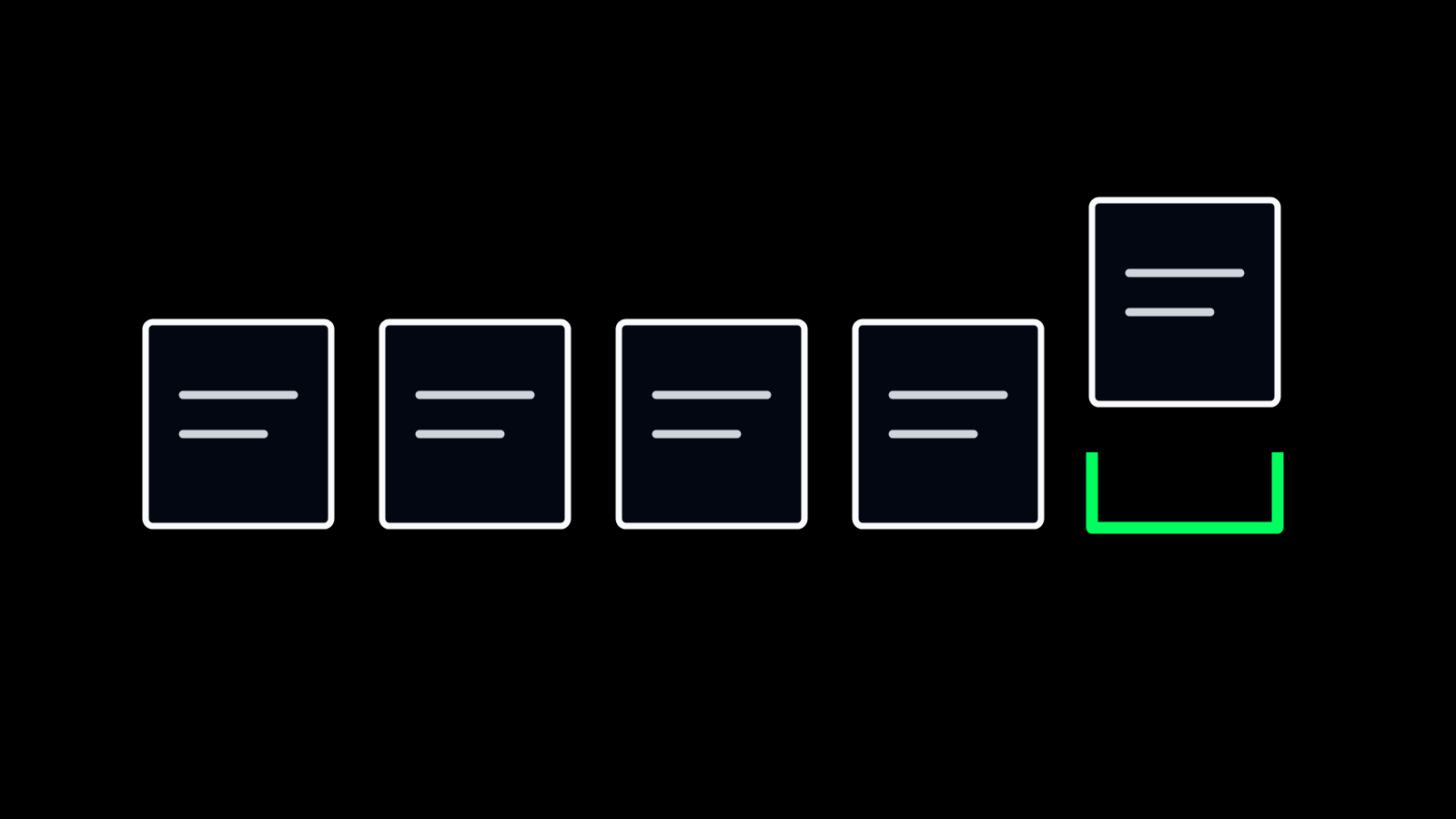
In short, five quick checks, each recorded in one line before delivery, can show where AI-assisted work is stuck between code, review, release and real use.
You ask AI to build a feature. The code is written and the tests pass. Yet it never gets published, and the next day someone must say “continue” again. This can happen in a solo project as well as in a professional development team.
Kyoto-based Netsujo uses multiple AI agents in real software development. Looking back at work recorded in November 2026, we found blocked work beyond code generation: reviewer startup, handoffs, release authorization, and verification of the actual user experience each had their own requirements.
This article turns those practical lessons into a set of checks you can use in a study group, a personal project, or a small engineering team. Observed problems and proposed improvements are clearly separated.
What tests miss after implementation, with counterexample tests and fixes, is covered in the article on tests and counterexamples, and how to split responsibilities while the work runs is covered in the article on AI agent roles. This article covers what remains between “done and tested” and “received and usable by the person who asked”.
Agree on what “finished” means
The person implementing a feature may say it is finished while the requester still cannot use it. Consider an event-registration flow:
| Stage | What to verify |
|---|---|
| Code written | The expected change exists and tests ran |
| Reviewed | The required independent checks of content and design exist |
| Published | The change is visible at the URL real users visit |
| Usable | A person can reach the registration flow on a mobile phone |
| Received | A real submission reaches its expected destination |
The last item may depend on a genuine participant event. Use a test submission when the environment and acceptance contract permit it. Otherwise record the actual event that must be observed, who will observe it, and what remains pending.
Case 1: A named reviewer was unable to start
In two Netsujo website improvement projects, code QC and release decisions had progressed, while required final design review and formal admission remained pending.
A task board can show who is responsible, but it may not show whether that role can actually run: the runtime, permissions, available quota, and destination for the result all matter.
For a small project, you can apply the same lesson with simple tools. Before the final day, check that the reviewer can open the preview, knows how to record findings, and has an authorized fallback if unavailable.
Case 2: The code changed while the review was waiting
Another release project had a visual check that matched, but still required a new source-identity check after the base branch moved. A screen that looks the same is not always the exact source that was formally reviewed.
This extra validation protects users. It also reveals why long release queues create avoidable rework.
Before release, freeze the reviewed candidate and record the commit SHA next to the review result. Even a one-line note in a pull request helps the next person see what was actually checked.
Case 3: The change was too large to review within budget
In another project, a review input of about 1.11 MB across 43 changed files produced a worst-case estimate above the approved review budget. The call was rejected before invocation, so that attempt generated no additional API charge.
The practical lesson is to plan work in units small enough to validate. Separate changes around a specific user outcome and its acceptance criteria, then verify that the combined result still works.
Five lines to write before the next task
1. Completion: What will the user be able to do? Specify the URL, operation, and expected result.
2. Ownership: Who implements, and who remains responsible until final acceptance?
3. Review: Who checks what, against which version of the change?
4. When blocked: Distinguish technical faults, authorization, runtime capacity, spending limits, and waiting for a real user event.
5. Evidence: Check the real interface and intended action; record the time, result, and any unresolved checks.
When a task is blocked, identify whether it stopped at authentication, quota, startup policy, networking, or application code. Security controls should remain in place; use only permitted recovery or alternative paths.
A five-line task starter you can copy
Here is a small template for an issue or README. It is the task-start counterpart to the record sheet in the role-separated workflow article:
User's task:
Acceptance URL / operation / expected result:
Delivery owner and independent reviewer:
Blocker category and authorized restart condition:
Final evidence (time, change ID, result):
For example, an event-list improvement could require navigation from the homepage to an actively recruiting event, aligned Japanese and English information, and a usable mobile registration button. This is an illustrative contract, not a claim that a specific recent project has met these conditions.
Share what works and what remains unverified
With AI assisting development, human effort can be focused on intended behavior, actual usability, and trustworthy evidence. When showing a project at a meetup, explain both what worked and what is still unknown.
“I tested this commit successfully, but I need someone to check the registration flow on a phone” invites a more useful response than “it doesn't work.” Naming the remaining condition makes collaboration easier.
For a place to bring a development question, browse the Miyako de IT events.
Case cutoff: November 6, 2026. The examples are adapted from Netsujo operational records, with private execution details omitted. Proposed changes are not represented as implemented or proven. AI was used to assist drafting.
Source data
The figures cited in this article are based on primary data in the Miyako de IT annual statistics report. It publishes yearly event counts, venue distribution, and event-format data.
Written by
Miyako de IT Editorial Team
Open event related to this article
 Registration open
Dec 4 (Fri)
Original event title
読書感想共有会~新しい発見と対話の時間~ #12
LanguageLanguage support not confirmed